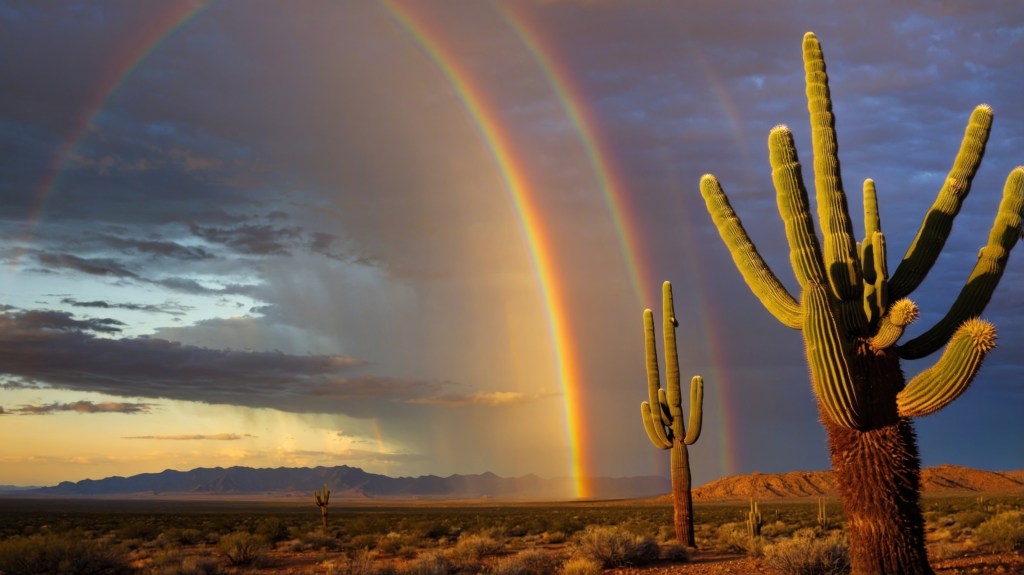
Here in the Phoenix Valley, our classrooms are as vibrant and dynamic as the desert sunset. The students who fill our Title I schools bring with them a wealth of history, language, and tradition. These elements transform our learning spaces into rich tapestries of global culture. Our community spans from the ancestral homelands of the Akimel O’odham and Akimel O’odham nations. It includes the diverse heritages of our Black, Mexican/Hispanic, Vietnamese, Chinese, and Western and Southern African students. Our community is a powerful microcosm of the world.
For educators, this diversity is not a challenge to overcome but our greatest asset. Our students’ backgrounds are living textbooks, offering authentic connections to every subject. Imagine a history lesson that honors the deep connection of Indigenous nations. Their connection to the land we now call Maricopa County is enduring. Envision a geography unit. Students can trace family roots to bustling cities in Mexico. They explore vibrant markets in Vietnam. They examine the megacities of China or the diverse landscapes of Ghana and Nigeria.
This cultural wealth provides a unique opportunity to build curriculum that is both inclusive and engaging. When a math problem uses traditional recipes to explore fractions, learning becomes personal. When a literature class shares folktales from across three continents, it also becomes personal. It sends a crucial message to every child: “Your story is important here.” For students in Title I schools, resources can be stretched. This sense of belonging and validation is foundational to academic success. It is also crucial for personal growth.
The key is moving beyond mere celebration and into meaningful integration. Here are a few ideas to weave our community’s heritage into the school year:
- Community Knowledge Keepers: Invite family members to share a traditional story, a song, or a skill. This honors the expertise within our students’ homes.
- Global Story Problems: Create math problems centered on real-world scenarios. This can include comparing traditional patterns in weaving. It can also involve calculating ingredients for a dish from a student’s culture.
- Multilingual Word Walls: Incorporate key vocabulary words in Spanish, Vietnamese, Mandarin, and other languages spoken by students. This validates their home language and enriches everyone’s vocabulary.
- Local History Projects: Partner with local tribal historians. Collaborate with cultural centers to explore the deep history of the Salt River Valley. This helps students understand the land beneath their feet.
We embrace the full spectrum of our students’ identities. We do more than just teach. We build a community of empathetic, globally-minded learners. We are nurturing the next generation of leaders. They excel in reading and math. They also understand the power of their own voice and the value of their neighbors. In the heart of the desert, our diverse roots allow us all to grow stronger, together.
 Creative Purpose Tempe