The Easter egg hunts are a beloved tradition where children search for hidden decorated eggs, often filled with candy or small toys. But where did this festive activity originate?

Ancient Roots
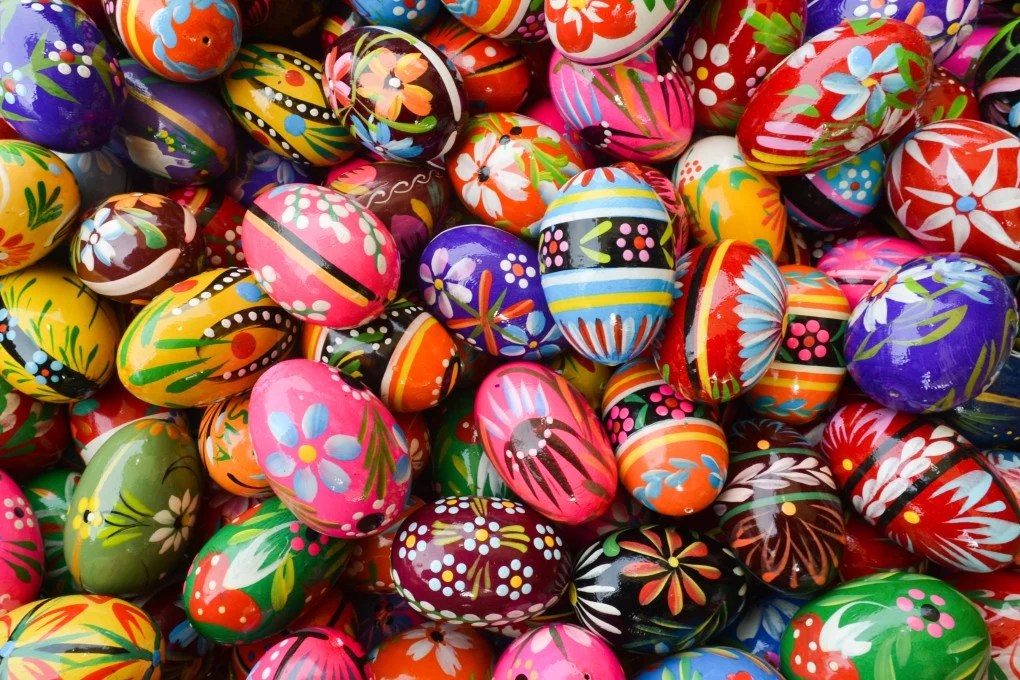
The egg has been a delightful symbol of fertility and rebirth for centuries. This tradition dates back to ancient spring festivals thrown by the Persians, Egyptians, and other early civilizations. It’s like nature’s little surprise! Eventually, early Christians picked up on this cheerful symbol. They turned it into a representation of Jesus’ resurrection. This change is why we see eggs pop up all over the Easter celebrations today. Who knew such a simple thing could have such a rich history?¹
Medieval Beginnings
In medieval Europe, decorated eggs were given as gifts during Lent. Some historians believe that the tradition of hiding eggs began in Germany, where children would search for eggs hidden by the “Easter Hare” [Osterhase], a precursor to the Easter Bunny[^1]. [^1]: The custom of egg decorating can be traced back to ancient civilizations, symbolizing new life and rebirth.
Modern Popularity
Germany’s Easter egg hunt tradition was brought to America by German immigrants in the 1700s. Over time, this custom expanded, leading to large-scale hunts organized by communities and the inclusion of chocolate eggs, plastic eggs, and various treats. German immigrants first introduced the Easter egg hunt in the 1700s. The tradition evolved to incorporate diverse treats over the years.
Today, Easter egg hunts remain a fun and festive way to celebrate the season, blending ancient symbolism with family-friendly fun!
Did you know?
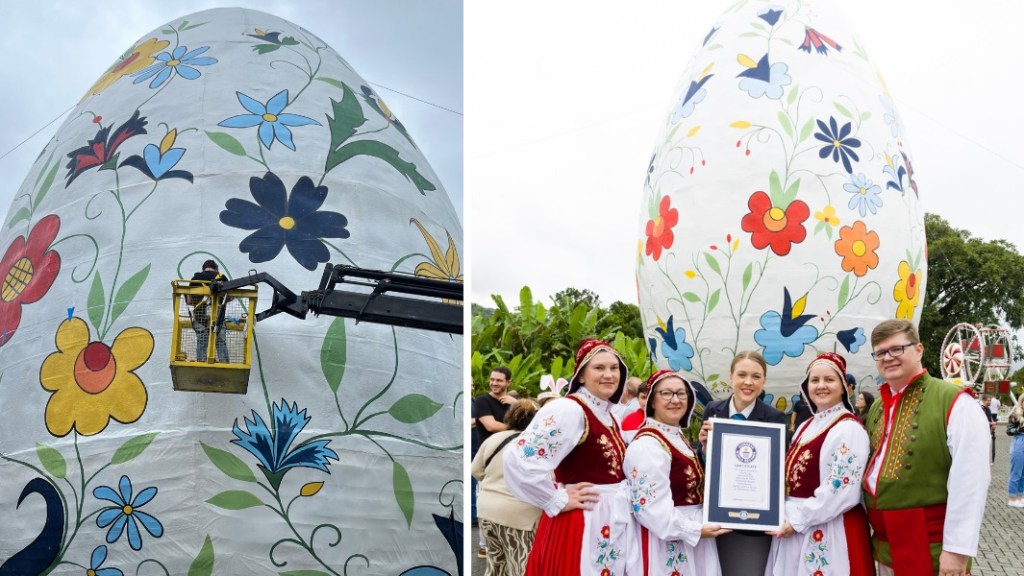
The world’s largest Easter egg hunt, according to Guinness World Records, took place in Winter Haven, Florida. It was on April 1, 2007, at Cypress Gardens Adventure Park. In this event, 9,753 children and adults searched for 501,000 eggs!
Hoppy hunting!
 Creative Purpose Tempe